Services to move technology initiatives from start to finish
We support organizations across the full cycle of a technology initiative: diagnosis, strategy, modeling, development, prototyping, deployment, operation and evolution. We integrate with innovation, R&D, IT, operational excellence and operations teams, bringing the capabilities each project needs.
Consulting
Technology strategy, diagnosis and business value.
Advisory & Modeling
Pre-project, feasibility and architecture before development.
Development & Manufacturing
Hardware + firmware + software + cloud, from lab to field.
Operations
Outsourcing, monitoring, DevOps and continuous improvement.
Our services

Technology Consulting
Before selecting technology, we understand the process, the users, the constraints, the goals and the expected value. We help organizations identify digitalization, automation and innovation opportunities — and turn them into a technology strategy consistent with their business and operations.
Learn more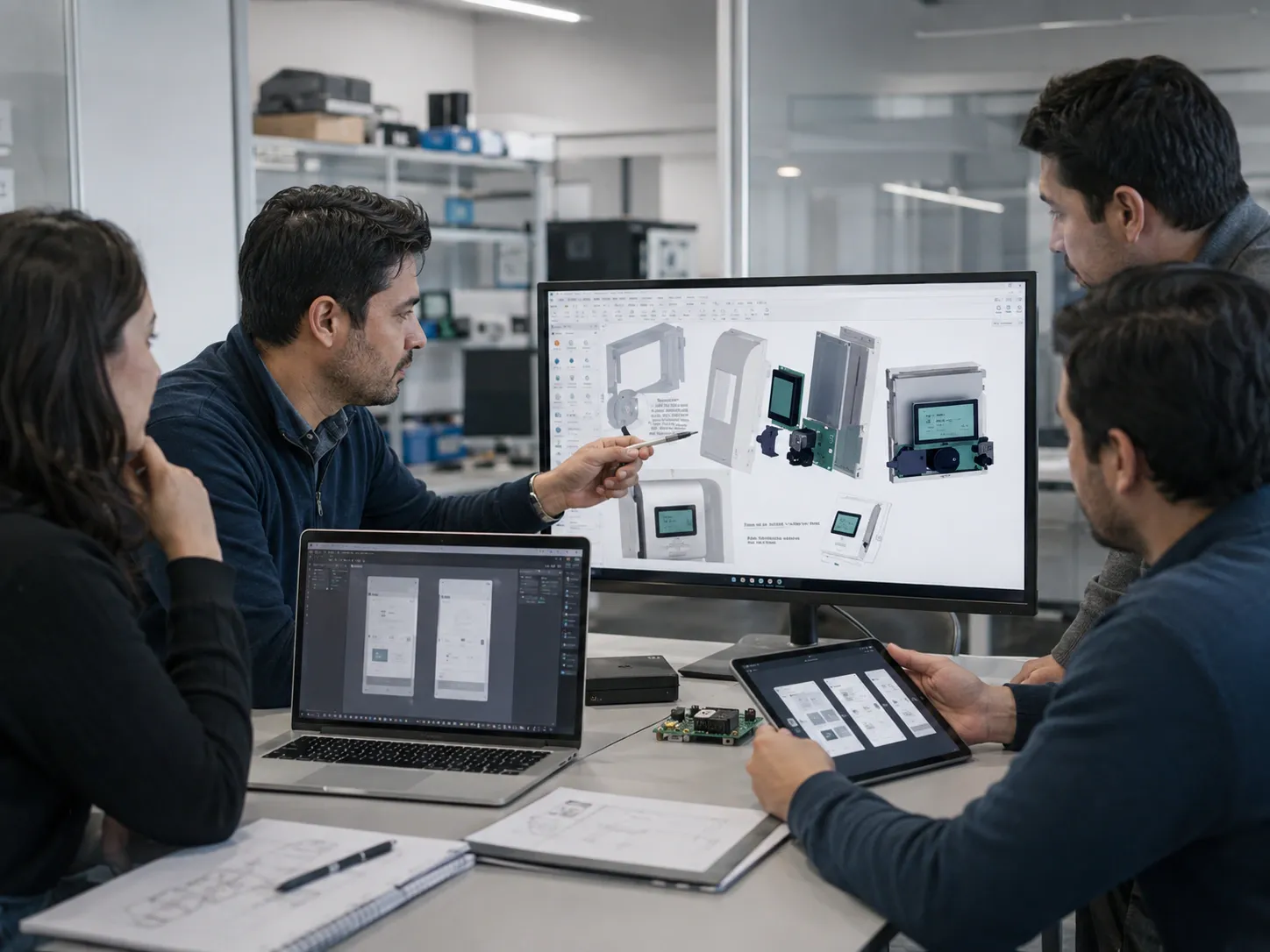
Advisory & Modeling
We turn an initiative into a structured project through discovery, requirements, preliminary architecture, feasibility evaluation, prototypes, estimation and roadmap. The goal: reduce technical and economic uncertainty before committing a larger investment. Documented methodology (BWhale Pre-Project Manual 2026: 7–12 weeks, 5 stages).
Learn more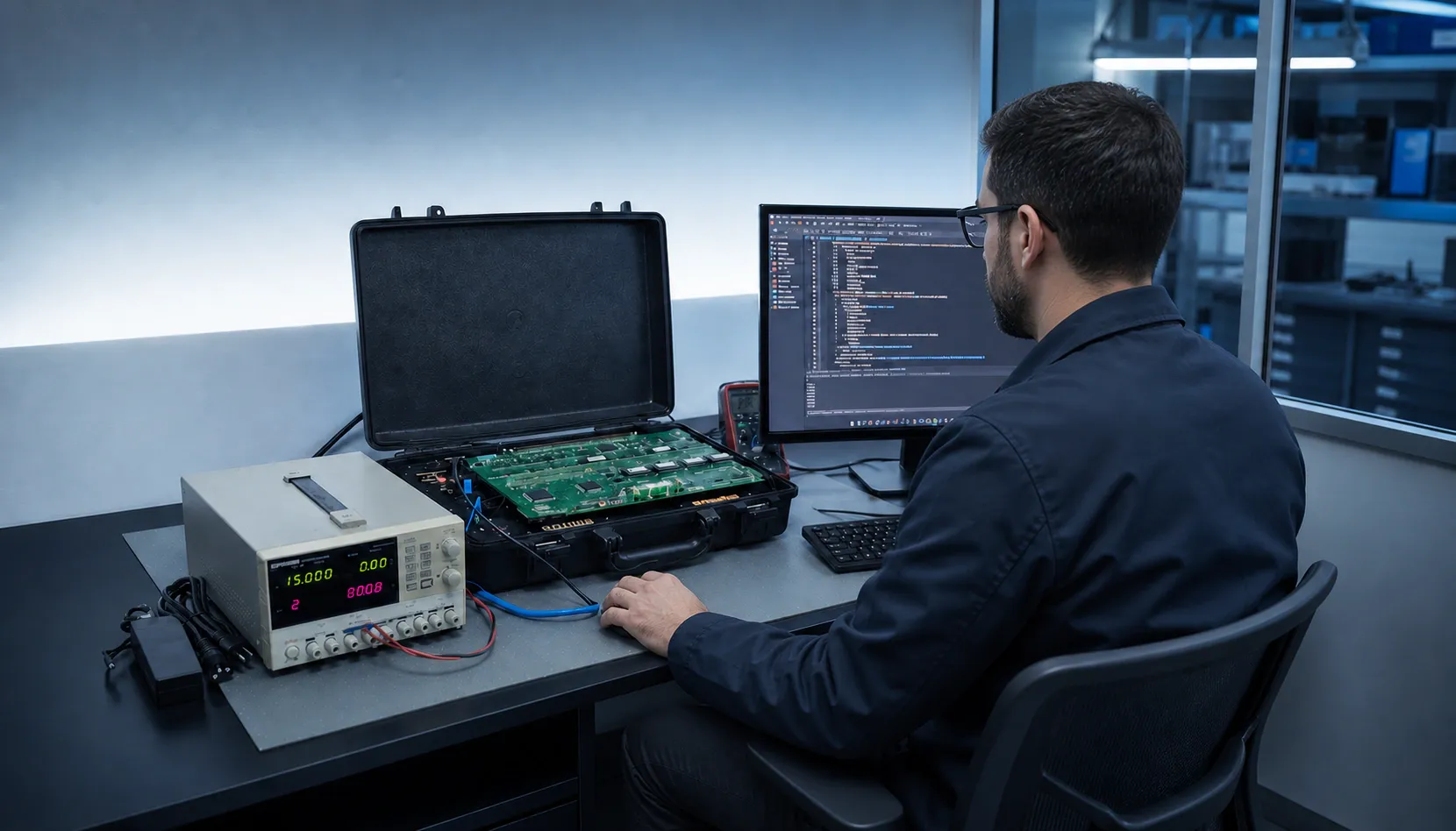
Solution Development
We design and build solutions that can combine web and mobile software, APIs, cloud, data, IoT, firmware, electronics and specialized hardware. The architecture is defined by the problem and the operating conditions — not by a predetermined technology. From silicon to cloud.
Learn more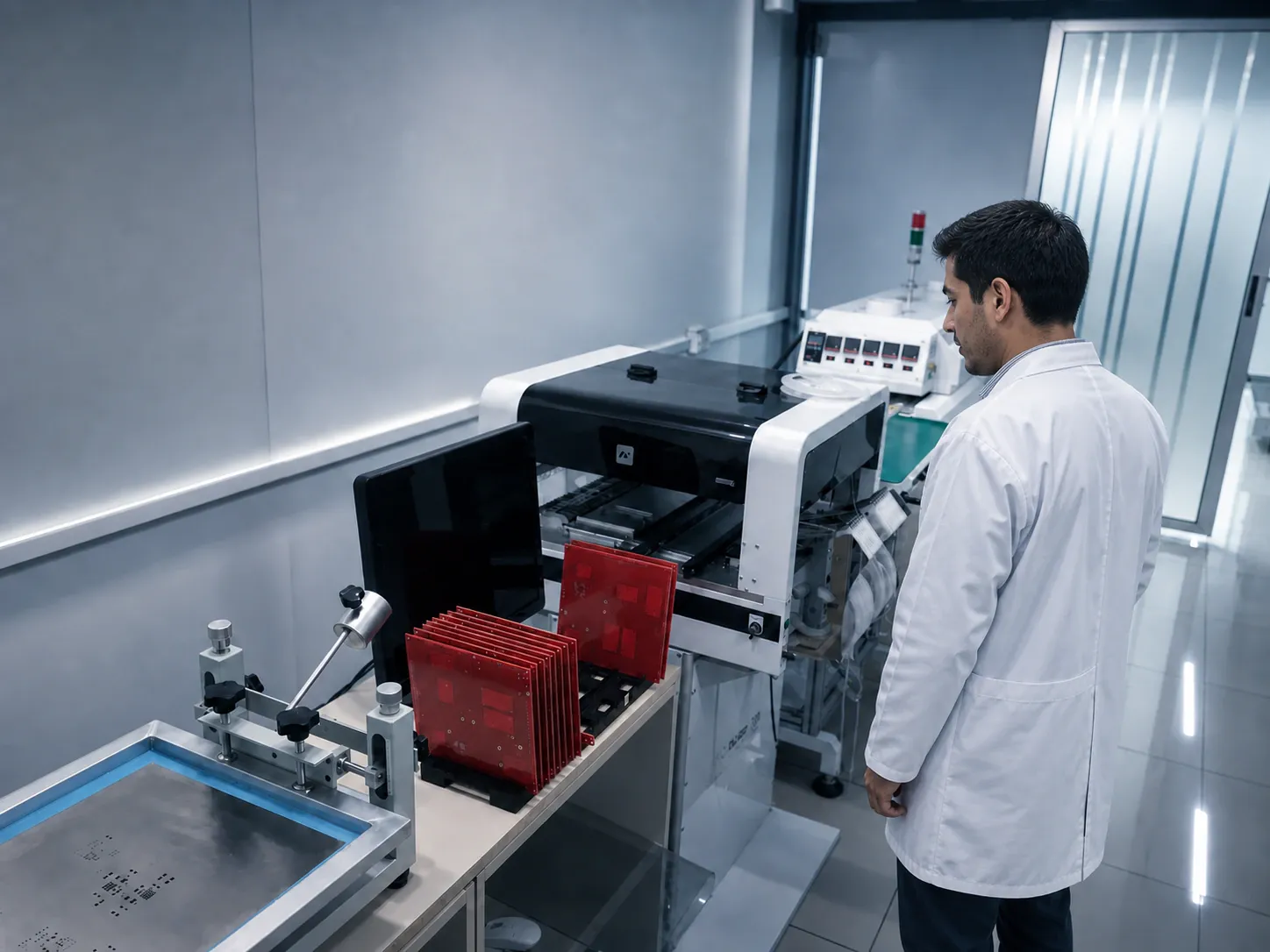
Manufacturing & Prototyping
We turn concepts into working prototypes and manufacturable products: electronic design, PCB, mechanical integration, testing and advanced manufacturing. From schematic to assembly, for prototypes and serial production.
Learn more
Outsourcing & Operations
We extend internal teams with development, infrastructure, DevOps and support capacity, keeping technical continuity over existing platforms or those built by BWhale. The same team that designed and built the solution can stay behind the operation.
Learn more
Managed IT Services
We manage Microsoft 365 licensing, cloud and infrastructure (Azure, multicloud), DevOps and help-desk support under a single service model, designed to deliver continuity and operational control over your technology.
Learn moreActive involvement across every stage
We define the decision model with you
We join early as part of your team: technical experience and strategic perspective to anticipate risks and decide informed from the start.
Engineering designed to deploy
Agile methodology: iterative deliveries, continuous validation and direct communication, focused on quality, functionality and concrete results.
We scale with field feedback
We stay involved in operations: continuity, support and continuous improvement with the same team that designed and built the solution.
IT Services: three scalable plans
The commercial proposal is sized on each company's real background — no generic bundles.
| 1 · Licensing and enablement | 2 · Managed cloud | 3 · Full IT Service |
|---|---|---|
| License provisioning · initial configuration · users and access · basic documentation · go-live support | Everything in plan 1 + cloud administration (users, networks, storage) · backups and monitoring · incident management · continuity | Everything in plan 2 + DevOps · application and infrastructure support · change management · reporting · governance and continuous improvement |